




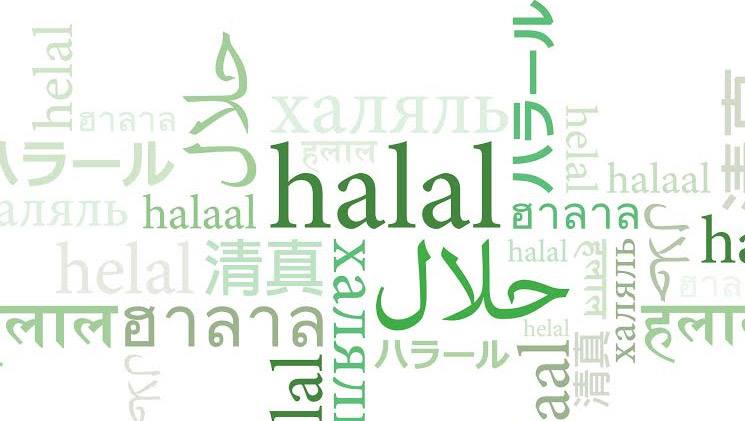
What is halal?
In Arabic, the word “HALAL” means “lawful” or “permissible”. It refers to products and actions that are allowed for use or practice in accordance with Islamic law. In the context of food, beverages, and services, HALAL indicates compliance with Islamic principles governing safety, hygiene, and ethical conduct.
The HALAL Standard originates from Islam and represents a system for the evaluation and certification of food products, beverages, and other services to ensure that they comply with Islamic principles and requirements related to safety, hygiene, and ethical practices.
What is haram?
In contrast to HALAL, “HARAM” means “unlawful” or “prohibited”.
Any product that uses HARAM ingredients or processing aids (i.e. prohibited substances under Islamic law) at any stage of production is not eligible for HALAL certification.
What is halal certification?
HALAL certification is a conformity assessment process conducted by authorized certification bodies to ensure that products or services meet HALAL standard requirements. This includes:
- The absence of Haram substances (prohibited materials under Islamic law), and
- Compliance of production or service delivery conditions with the requirements of the Qur’an, Shari’ah law, and applicable HALAL standards.
HALAL certification provides assurance to consumers and business partners that products and services are produced in accordance with Islamic principles and are suitable for HALAL markets worldwide.
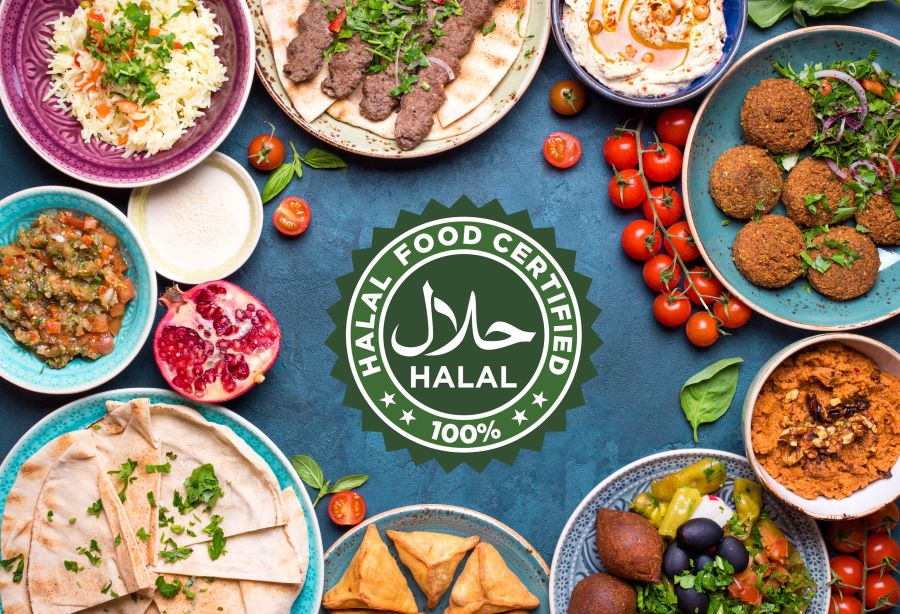
What is HALAL certification consulting?
Scope of halal certification
Only mass-produced products with a clearly registered commercial brand and belonging to sectors permitted for production by the local authorities are eligible to apply for HALAL certification. In addition, HALAL certification requirements apply not only to product ingredients, but also to the entire process, including manufacturing, processing, packaging, labelling, storage, and transportation. Therefore, if any stage of the production process is contaminated or involves the use of prohibited substances, the product will be considered HARAM.
Typical products eligible for HALAL certification:
- HALAL food products (excluding alcoholic beverages and alcohol-containing products);
- HALAL functional foods / dietary supplements;
- HALAL cosmetics;
- HALAL pharmaceuticals;
- HALAL animal feed and aquaculture feed;
- HALAL personal care products, etc.
- HALAL certification enables organizations to demonstrate compliance with Islamic requirements and facilitates access to domestic and international HALAL markets.
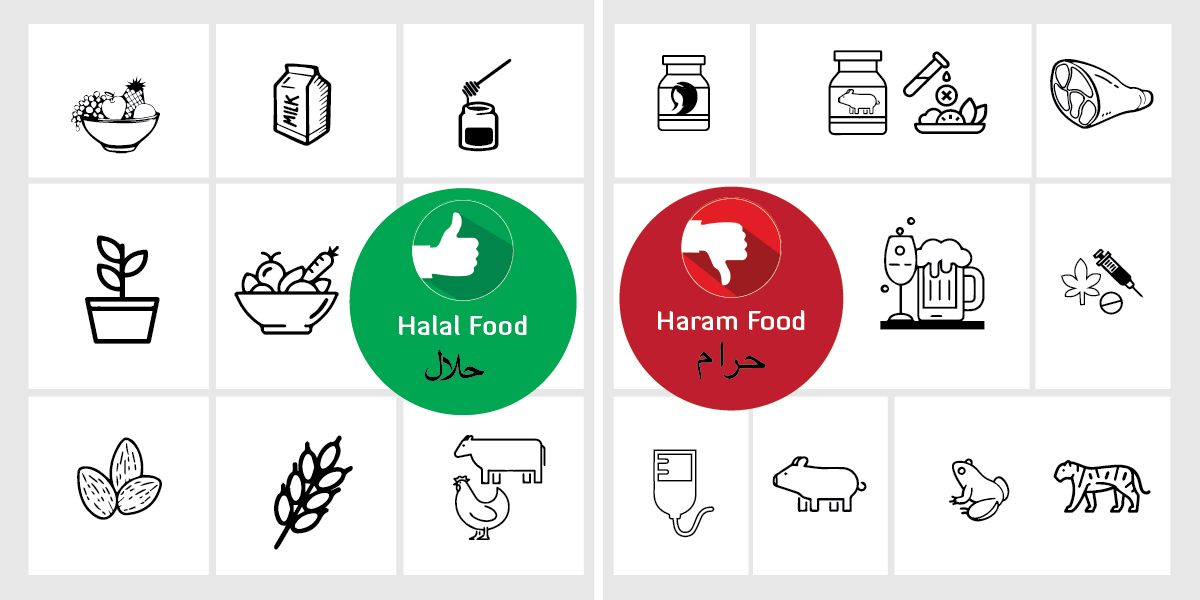
The difference between HALAL and HARAM standards
Benefits of implementing halal standards
Implementing the HALAL standard offers significant advantages for businesses, including:
- Expanding export opportunities to Islamic countries and markets with large Muslim populations.
- Products with HALAL certification are trusted and widely accepted by the global Muslim consumer community (over 1.5 billion people).
- HALAL certification not only fulfills religious requirements but also serves as a global assurance of product safety and quality for consumers worldwide.
- Enables enterprises to participate in the global HALAL raw material and product supply chain
Which businesses can be halal certified?
All organizations and enterprises with legal entity status, regardless of economic sector, size, financial capacity, or workforce, are eligible to apply for and be assessed for HALAL certification.
Halal certification programmes
1. JAKIM Programme
Certification validity: 1 year
Applicable to: All product categories (food, cosmetics, raw materials, services, etc.)
Export scope: Valid for export to most countries worldwide, except Indonesia and GCC countries
2. GCC Programme
Applicable only to food products
Certification is valid exclusively for the GCC market, including: UAE (Dubai), Kuwait, Oman, Qatar, Saudi Arabia, Bahrain, and Yemen
Upon successful certification, enterprises are issued three certificates with a validity of 3 years
3. MUI Programme
Certification validity: 1 year
Applicable only to raw materials, semi-finished products, and flavourings
Export scope: Valid for export to most countries worldwide, except Malaysia and GCC countries
*Enterprises may choose one or multiple HALAL certification programmes simultaneously to facilitate international trade and exports.
Halal certification process
1. Information submission and quotation
The client completes the registration form, provides the required information, and selects the HALAL certification programme aligned with the target export market.
2. Contract signing
Based on the submitted information, the certification body reviews the application and issues a quotation.
The contract is signed once both parties agree on fees, terms, and conditions.
3. Stage 1
The client prepares documentation according to guidance. The certification body conducts a preliminary review before proceeding to Stage 2.
Stage 1 documentation includes:
- Company profile (including organizational chart)
- Business License
- Operating licenses (if applicable)
- Production process flowcharts/procedures for certified products
- Test results of certified products
- Other certifications such as ISO, HACCP, GMP, GAP (if available)
- Documents proving that raw materials and additives contain no Haram components
- Other relevant records
4. Stage 2
An on-site audit is conducted at the manufacturing facility in accordance with international HALAL standards, such as MS 1500:2019, GSO 2055-1, and MUI requirements.
The purpose of Stage 2 is to verify conformity of products and processes with HALAL requirements for certification.
5. Corrective actions and certification issuance
After the audit, auditors submit an evaluation report to the certification body.
If nonconformities are identified, the enterprise must submit corrective action reports and supporting evidence within 30 days from the on-site audit date.
Once compliance is confirmed, the HALAL certificate is issued.
6. Surveillance audit
The certification body conducts periodic surveillance audits to verify continued compliance with HALAL requirements.
Principles of the HALAL standard
- Products must not be HARAM, nor contain or be associated with HARAM substances, in accordance with Shari’ah law and the Qur’an.
- Organizations must establish a HALAL-compliant production control system or equivalent quality assurance measures, including staff training and internal audits on HALAL implementation.
- During production and transportation, HALAL products must not come into direct contact or be mixed with HARAM products. For organizations handling animal-based products (excluding seafood), stricter requirements apply.
- Post-certification surveillance is mandatory, including review of quality assurance measures and testing of product samples taken from production sites and/or the market.
HALAL certification therefore represents not only religious compliance, but also a comprehensive system ensuring product integrity, safety, and international market acceptance.
CONTACT FOR FREE CONSULTING VIA HOTLINE: 0938.161.564
NAPHA CONSULTING CO., LTD
Địa chỉ: 3 Floor, An Phu Plaza, 117 - 119 Ly Chinh Thang Street, District 3, HCMC
Email: tuvannapha@gmail.com



main.comment_read_more